Năm nay, Cúng Ông Công Ông Táo vào ngày nào đẹp nhất?
Năm nay cúng Ông Công Ông Táo vào ngày nào, giờ nào đẹp nhất để tiễn Táo Quân, cầu bình an và tài lộc trước thềm Tết Bính Ngọ?
Mỗi năm, chỉ cần lệch một ngày hay chậm một khung giờ, nhiều gia đình đã cảm thấy “thiếu một nhịp” trong không khí Tết. Cúng Ông Công Ông Táo không chỉ là nghi lễ, mà là dấu mốc mở đầu cho chuỗi ngày sum vầy, dọn dẹp và đón vận mới. Vậy năm nay, ngày nào và thời điểm nào được xem là đẹp nhất?
1. Ngày chính lễ 23 tháng Chạp: mốc chuẩn phong tục, không nên bỏ qua
Theo lịch âm, lễ cúng Ông Công Ông Táo diễn ra vào ngày 23 tháng Chạp năm Ất Tỵ, tương ứng ngày 11/2/2026 dương lịch, ngay trước thềm Tết Bính Ngọ. Đây là ngày Táo Quân “chầu trời”, báo cáo việc tốt – xấu của gia đình trong suốt một năm, vì vậy được xem là mốc quan trọng nhất, mang ý nghĩa tâm linh sâu sắc.
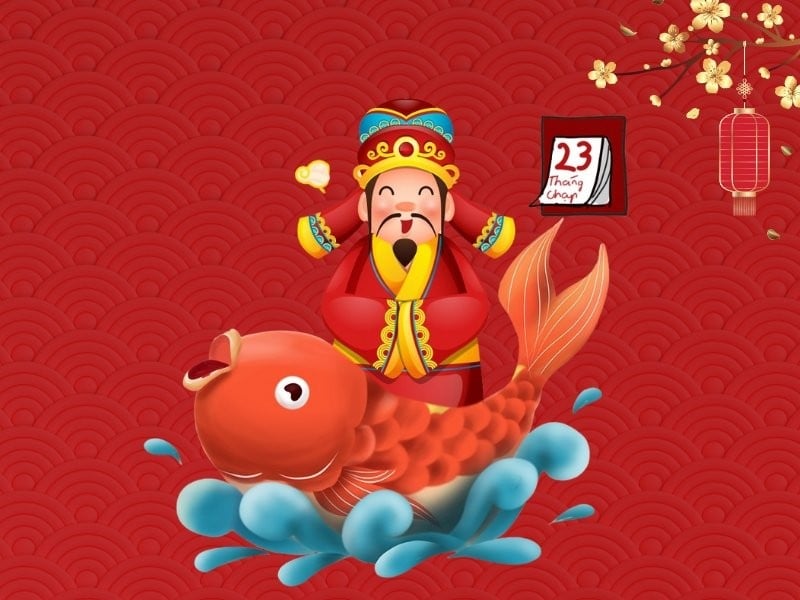
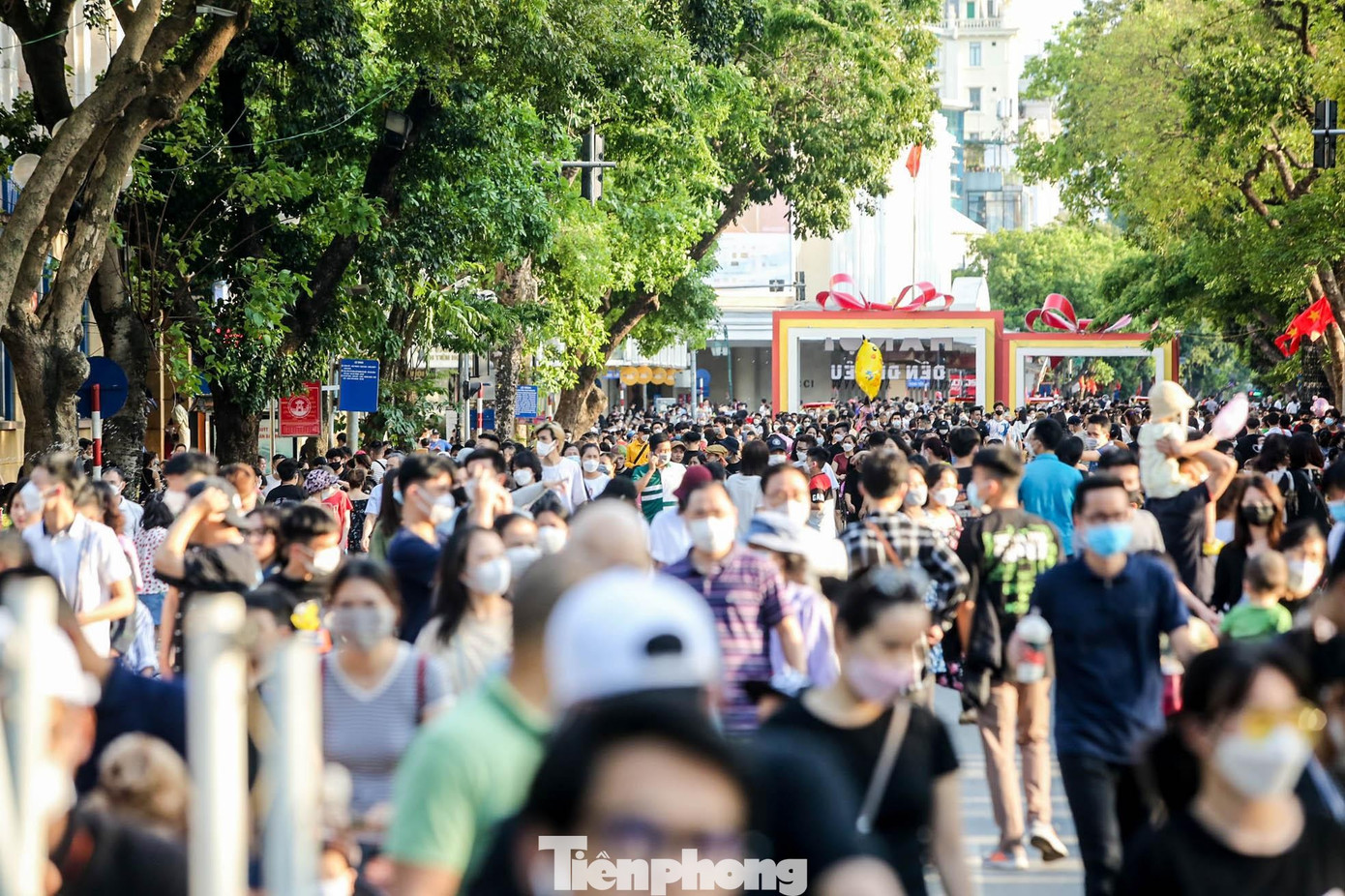
Theo tập tục thì ngày 23 Chạp vẫn là ngày đẹp nhưng phải trước 12 giờ
Với nhiều gia đình, chọn đúng ngày chính lễ mang lại cảm giác trọn vẹn và yên tâm. Không khí trong ngày này thường gắn với việc dọn dẹp bếp núc, sắp xếp bàn thờ gọn gàng, chuẩn bị lễ vật đơn giản nhưng trang nghiêm. Điều quan trọng không nằm ở mâm cao cỗ đầy, mà ở sự thành tâm và chỉn chu trong từng bước.
Nếu có thể sắp xếp thời gian, đây vẫn là lựa chọn được ưu tiên. Cúng đúng ngày giúp giữ trọn phong tục truyền thống, đồng thời tạo “điểm rơi” tinh thần cho cả gia đình bước vào giai đoạn chuẩn bị Tết với tâm thế nhẹ nhõm, an yên.
Tuy nhiên nhớ cúng trước 12 giờ trưa.
2. Cúng sớm ngày 21–22 tháng Chạp: linh hoạt, vẫn giữ trọn ý nghĩa
Trong nhịp sống hiện đại, không phải gia đình nào cũng rảnh rỗi đúng ngày 23. Vì vậy, cúng sớm vào ngày 21 hoặc 22 tháng Chạp được xem là phương án hợp lý và vẫn được chấp nhận về mặt phong tục. Khoảng thời gian này được coi là “trước giờ Táo Quân lên đường”, nên nghi lễ vẫn giữ được ý nghĩa tiễn Táo về trời.
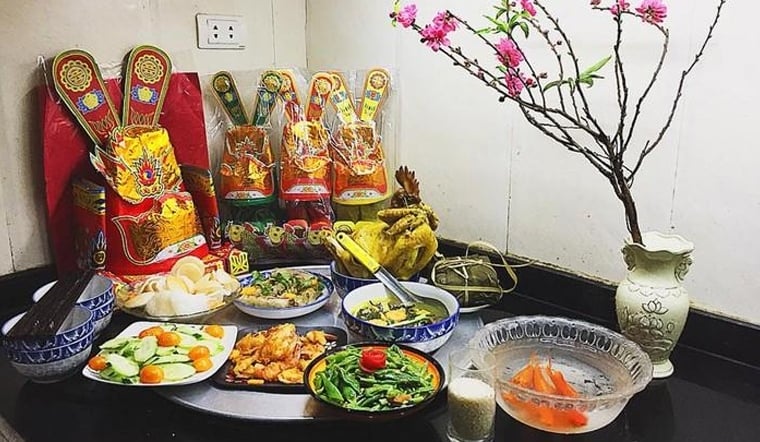
Nếu gia chủ muốn cúng trước thì ngày 21-22 cũng là ngày tốt
Lựa chọn cúng sớm giúp gia đình chủ động hơn trong việc dọn dẹp, sắp xếp công việc cuối năm, đặc biệt với những người bận rộn hoặc phải di chuyển xa. Nhiều gia đình cũng tận dụng dịp này để làm sạch bếp, thay mới đồ dùng và tạo không gian gọn gàng, coi như “làm mới” nguồn năng lượng cho năm sắp tới.
Dù cúng sớm, điều cần giữ là sự trang nghiêm và nhất quán trong nghi lễ. Thực hiện đầy đủ các bước cơ bản, chuẩn bị lễ vật vừa phải, gọn gàng, thể hiện lòng thành là yếu tố được đặt lên hàng đầu, hơn cả việc đúng từng chi tiết hình thức.
3. Giờ đẹp trong ngày: chọn khung “vàng” để lễ trọn vẹn hơn
Bên cạnh ngày, giờ cúng cũng là yếu tố được nhiều gia đình quan tâm. Theo quan niệm dân gian, nên hoàn thành lễ trước 12 giờ trưa ngày 23 tháng Chạp, vì sau thời điểm này Táo Quân đã “lên đường” chầu trời. Các khung giờ buổi sáng thường được xem là thuận lợi, mang ý nghĩa khởi đầu, thanh sạch và hanh thông.
Nếu cúng sớm vào ngày 21–22, có thể chọn các khung giờ buổi sáng hoặc đầu giờ trưa để tạo cảm giác nhẹ nhàng, không vội vã. Đây là thời điểm gia đình dễ tập trung, không bị xao nhãng bởi công việc trong ngày, giúp nghi lễ diễn ra trọn vẹn và yên tĩnh hơn.
Quan trọng nhất, giờ đẹp không chỉ nằm ở con số trên đồng hồ, mà ở sự chuẩn bị chu đáo. Dành thời gian lau dọn bếp, sắp xếp bàn thờ gọn gàng, ăn mặc chỉnh tề và giữ không gian yên tĩnh sẽ giúp buổi lễ mang lại cảm giác an tâm, như một cách “khóa sổ” năm cũ để đón vận mới nhẹ nhàng hơn.
Gợi ý nhanh để chọn mốc phù hợp: Nếu ưu tiên truyền thống, hãy chọn sáng 23 tháng Chạp (11/2/2026). Nếu bận rộn, 21–22 tháng Chạp là phương án linh hoạt, vẫn giữ trọn ý nghĩa. Dù chọn ngày nào, hãy hoàn thành lễ trước buổi trưa để đúng tinh thần tiễn Táo Quân.
Cúng Ông Công Ông Táo không chỉ là nghi lễ, mà còn là khoảnh khắc để cả gia đình chậm lại, nhìn lại một năm đã qua và cùng nhau bước vào mùa Tết với tâm thế gọn gàng, an yên và sẵn sàng đón những điều mới mẻ phía trước.
*Thông tin trong bài mang tính chất tham khảo chiêm nghiệm
What is the best day and time to offer sacrifices to the Kitchen Gods this year, to bid farewell to the Kitchen Gods and pray for peace and prosperity before the Lunar New Year of the Horse?
Every year, even a slight deviation of a day or a time can feel incomplete in the festive atmosphere for many families. Offering sacrifices to the Kitchen Gods is not just a ritual, but a milestone marking the beginning of a series of family gatherings, cleaning, and welcoming new fortune. So, this year, what day and time are considered the most auspicious?
1. The main day of the ceremony: the 23rd of the 12th lunar month: a crucial milestone that should not be missed.
According to the lunar calendar, the ceremony of offering sacrifices to the Kitchen Gods takes place on the 23rd of the 12th lunar month of the Year of the Snake (2025), corresponding to February 11th, 2026 in the Gregorian calendar, right before the Lunar New Year of the Horse. This is the day the Kitchen Gods "ascend to heaven," reporting on the good and bad deeds of the family throughout the year, therefore it is considered the most important milestone, carrying profound spiritual significance.
According to tradition, the 23rd day of the 12th lunar month is still considered an auspicious day, but it must be before noon.
For many families, choosing the exact day of the ceremony brings a sense of completeness and peace of mind. The atmosphere on this day is usually associated with cleaning the kitchen, tidying the altar, and preparing simple but solemn offerings. The important thing is not the lavish feast, but the sincerity and meticulousness in each step.
If time permits, this remains the preferred choice. Offering on the correct day helps preserve traditional customs and creates a spiritual "low point" for the whole family to enter the Tet preparation phase with a relaxed and peaceful mindset.
However, remember to offer the sacrifices before noon.
2. Offering sacrifices early on the 21st-22nd of the 12th lunar month: Flexible, yet retaining the full meaning
In modern life, not every family is free on the 23rd. Therefore, offering sacrifices early on the 21st or 22nd of the 12th lunar month is considered a reasonable option and is still accepted in terms of tradition. This period is considered "before the Kitchen God departs," so the ceremony still retains the meaning of bidding farewell to the Kitchen God.
If the family wants to offer sacrifices early, the 21st-22nd is also auspicious.
Choosing to offer sacrifices early allows families to be more proactive in cleaning and arranging end-of-year tasks, especially for those who are busy or have to travel far. Many families also take advantage of this opportunity to clean the kitchen, replace utensils, and create a tidy space, as if "refreshing" energy for the coming year.
Even when offering sacrifices early, the important thing is to maintain solemnity and consistency in the ritual. Completing all the basic steps, preparing appropriate and neat offerings, and showing sincerity are paramount, even more important than meticulously adhering to every detail of the ceremony.
3. Auspicious Time of Day: Choosing the "Golden" Time for a More Complete Ceremony
Besides the day, the time of the ceremony is also a factor that many families care about. According to folk beliefs, the ceremony should be completed before 12 noon on the 23rd day of the 12th lunar month, because after this time the Kitchen God has "departed" to ascend to heaven. Morning hours are generally considered favorable, signifying a new beginning, purity, and smooth sailing.
If performing the ceremony early on the 21st or 22nd, morning or early afternoon hours can be chosen to create a relaxed, unhurried atmosphere. This is when the family can easily concentrate and avoid distractions from the day's work, allowing the ceremony to be more complete and peaceful.
Most importantly, the auspicious time isn't just about the numbers on the clock, but about careful preparation. Taking the time to clean the kitchen, tidy the altar, dress neatly, and maintain a quiet atmosphere will help the ceremony feel peaceful, like a way to "close the book" on the old year and welcome the new year more gently.
Quick suggestion for choosing a suitable date: If you prioritize tradition, choose the morning of the 23rd of the 12th lunar month (February 11, 2026). If you're busy, the 21st-22nd of the 12th lunar month is a flexible option, still retaining the full meaning. Whichever day you choose, complete the ceremony before noon to properly honor the Kitchen God.
Offering sacrifices to the Kitchen God is not just a ritual, but also a moment for the whole family to slow down, reflect on the past year, and together enter the Tet season with a neat, peaceful mindset, ready to welcome new things ahead.
*Information in this article is for reference and contemplation only.